How Female Gymnasts Support Strength: Fueling, Training and Recovery
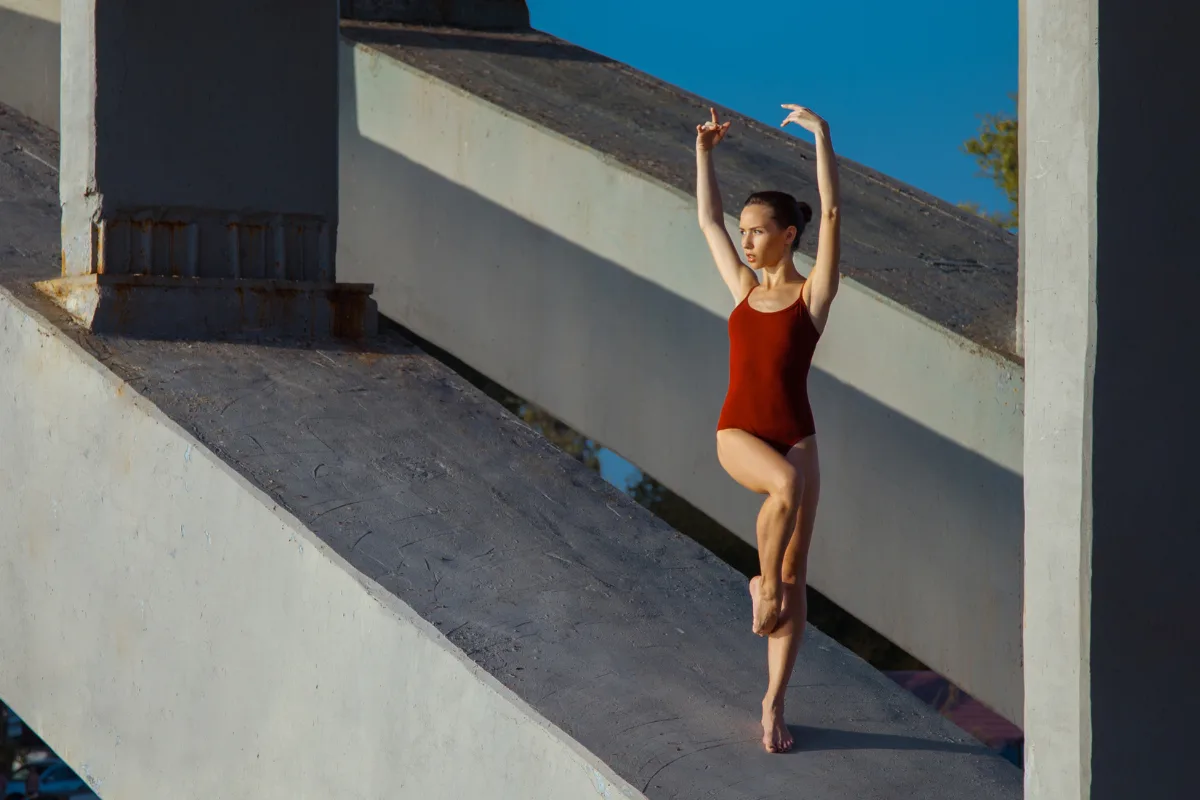
Female gymnasts need enough energy to train, recover and, for younger athletes, grow. Supporting strength is therefore a better goal than trying to keep every gymnast as lean as possible. A particular appearance does not prove that an athlete is well fueled or performing at her best.
Contents
- Start with the work the gymnast needs to perform
- Why “lighter is stronger” is an incomplete idea
- Food supports more than the practice session
- Plan around the real school-and-gym day
- Recovery belongs in the training plan
- Know when the athlete needs more support
- Measure progress without turning the body into a project
Gymnastics preparation combines skill practice, conditioning, food, rest and individual support. There is no universal calorie target, body-fat percentage or training schedule that will produce the right balance for every athlete.
Start with the work the gymnast needs to perform
Vault and floor involve powerful takeoffs and controlled landings. Bars requires strength and coordination through swings and support positions. Beam combines strength, balance and precise movement. Training should address the athlete’s actual skills and preparation rather than aim for a particular silhouette.
Strength is also more specific than “having muscle.” Producing force, applying it quickly, maintaining a position and repeating a movement are related but different demands. A gymnast may improve a skill through better timing and coordination without an obvious change in appearance.
Our conditioning and strength-training guide explains those distinctions. The coach should be able to explain what a particular exercise contributes to the athlete’s gymnastics.
Why “lighter is stronger” is an incomplete idea
Gymnasts move their own bodies, so relative strength is a useful concept. But dividing a strength measure by body mass does not turn weight loss into a training plan. Reducing the denominator does not guarantee the athlete retains the same strength, coordination, recovery or health.
A 2023 IOC-associated review and practitioner survey found no single body-composition cutoff establishing a performance advantage across sport. Its authors caution against overstating body composition’s role.
For a gymnast, the practical question is whether she can perform and recover from the required work. Chasing a number on a scale can distract from that question, particularly when a growing athlete’s body is changing normally.
Food supports more than the practice session
Daily energy needs include ordinary living, school activities, growth and recovery as well as gymnastics. A family cannot calculate the whole requirement simply by looking at the length of practice or estimating how many calories a routine burns.
Meals and snacks should provide a varied mix of foods. Carbohydrate-containing foods help supply training energy; protein-containing foods support repair and adaptation; dietary fats and micronutrients also have necessary roles. Removing a whole category of food to copy an athlete’s physique is not a sensible starting point.
Needs vary with age, health, growth and workload. A sports dietitian can help when the schedule, appetite, food access, allergies or other circumstances make adequate fueling difficult. A generic meal plan written for an adult elite should not be used as a child’s prescription.
Plan around the real school-and-gym day
A useful family exercise is to map the day’s practical gaps. When does school lunch occur? How long is the journey to practice? Is there time to eat before training? What happens when practice finishes late?
The American Academy of Pediatrics’ sports-nutrition guidance for busy families emphasizes planning access to food and fluids around activity. It also distinguishes light, short activities from longer or more demanding sessions; every child does not need an elaborate sports-fueling routine.
| Practical issue | A useful planning question |
|---|---|
| Long gap after lunch | What familiar food can the gymnast comfortably eat before practice? |
| Travel between school and gym | Can suitable food and water be packed in advance? |
| Late finish | Is an evening meal or snack available without a long wait? |
| Longer training day | Has the food-and-fluid plan changed with the workload? |
| Allergies or restricted food choices | Does the family need individual dietetic advice? |
These are logistical questions, not instructions to count every bite. The aim is to make adequate food accessible and practical, including on busy days.
Recovery belongs in the training plan
More exercise is not automatically more progress. Skills, conditioning and other sports all contribute to the total workload. Adding a separate home workout without telling the coach can change the plan even if the extra session feels short.
Ask how the week accounts for rest, sleep and other commitments. A school examination period, a meet weekend and an ordinary training week can create different demands. The athlete should be able to communicate fatigue or discomfort without feeling that rest has to be earned.
Our gymnastics safety guide discusses why supervision, gradual preparation and attention to symptoms matter alongside physical conditioning.
Know when the athlete needs more support
Persistent fatigue, recurring injuries, trouble recovering, menstrual changes or concerns about growth and eating deserve a conversation with a qualified health professional. These signs can have different causes; an article or coach should not diagnose the athlete from a checklist.
USA Gymnastics offers an educational course on low energy availability in gymnasts for coaches and parents. Recognizing a concern is different from managing it independently. The appropriate medical and nutrition professionals can assess the individual situation.
Athletes do not need to look unusually thin for inadequate fueling to deserve attention. Likewise, an appearance that spectators admire does not establish health. Keep the focus on the athlete’s experience and professional assessment.
When asking for help, describe the schedule and the concern specifically. For example, explain that the gymnast regularly arrives home too late for the planned meal or has been unusually tired for several weeks. Concrete information is more useful than asking how to make her look like a teammate.
Measure progress without turning the body into a project
Useful training feedback can concern a more consistent routine, a clearer movement pattern or an improved ability to complete the planned work. The coach should choose measures relevant to the gymnast’s stage and goals rather than demand constant body checks.
Families can help by keeping food conversations practical and body comments neutral. Ask whether the child had enough time to eat, how practice felt and whether anything needs attention. Praise learning and effort without attributing success to being smaller or leaner.
For the separate question of body weight, see our guide to interpreting gymnast weight claims. Strength develops through appropriate preparation and support; a promised “lean gymnast physique” is not a reliable measure of either.