What to Wear to Your First Gymnastics Class: Fit, Coverage and Club Rules
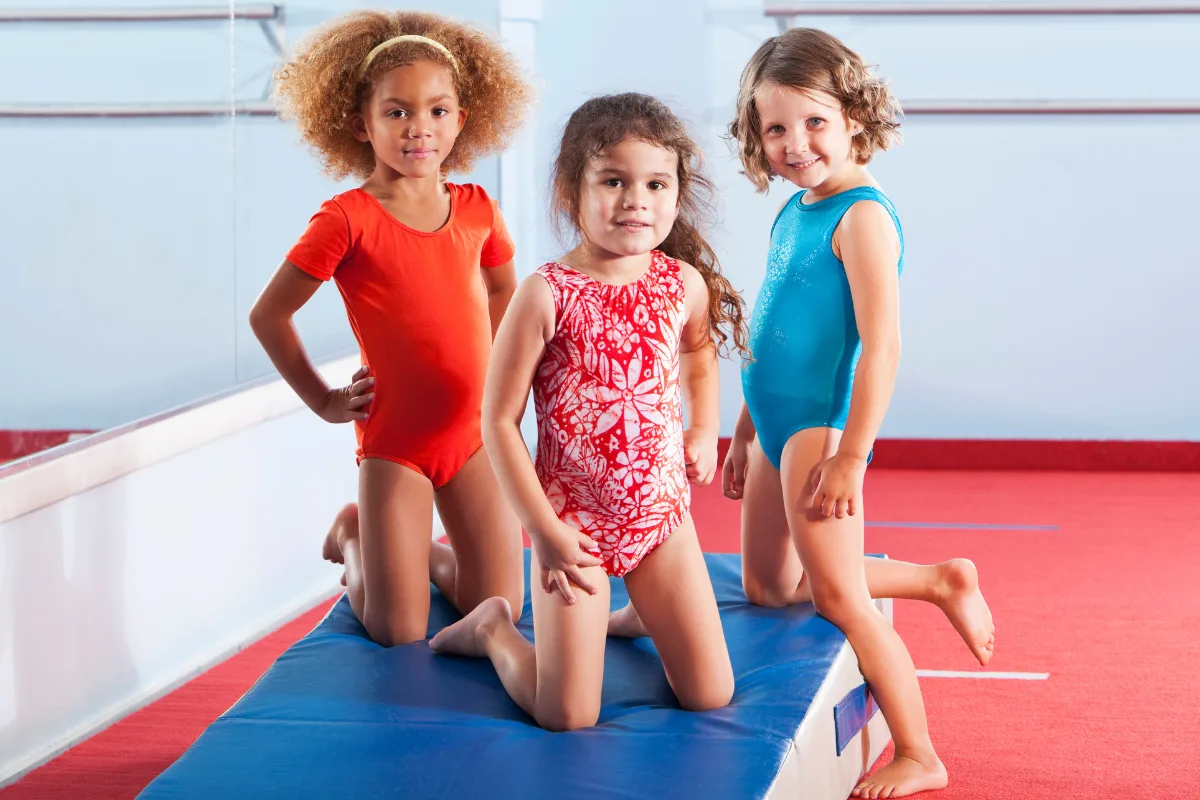
A beginner needs clothing that allows comfortable movement and follows the gym’s safety rules. Families should ask the club what it accepts before buying a leotard or a competition uniform.
Contents
- Practical options for a first class
- Why do gymnasts wear leotards?
- Compare the outfit options
- Fit matters more than the label
- Underlayers and personal comfort
- Hair, jewellery and footwear
- Practice clothes are different from competition attire
- Think about changing and the trip home
- A simple first-class check
Practical options for a first class
Depending on the gym, suitable choices may include a leotard, biketard, unitard or a fitted athletic top with shorts or leggings. The outfit should stay in place when the gymnast raises their arms or bends, without digging in or restricting movement.
Loose fabric, drawstrings, hard fastenings and accessories can interfere with apparatus work. A garment that looks appropriate while standing still should also be checked through comfortable, ordinary movements.
Why do gymnasts wear leotards?
A leotard joins the top and bottom in one close-fitting garment. Unlike a loose shirt, it does not have a separate hem that can fall towards the face when the gymnast turns upside down. A suitable fit also leaves the coach able to observe body positions, such as bent knees or arm placement, while teaching.
Those practical features explain its popularity, but they do not make every leotard comfortable for every person. Stretch, torso length, seams and coverage all matter. Decorative stones or a competition design do not make a garment a better choice for a first lesson.
Not every beginner needs to buy one. If the class accepts suitable fitted separates, families can start with an approved outfit they already own. A biketard commonly has attached shorts; unitard is used for one-piece garments with different leg lengths. Check the actual design rather than relying only on the name. The club should explain which options it accepts.
Compare the outfit options
| Option | Why a beginner might choose it | What to check before class |
|---|---|---|
| Leotard | A single close-fitting garment without a separate shirt hem. | Torso length, leg openings, seams and preferred coverage. |
| One-piece style with attached legs | More leg coverage while keeping the top and bottom together. | Whether the club accepts the design and whether the leg sections stay comfortable. |
| Approved fitted separates | The beginner may already own suitable athletic clothing. | Whether the top stays in place and the waistband and fastenings suit the activities. |
The cheapest suitable option may already be in the wardrobe. Ask the gym about the proposed outfit before a trial rather than buying specialist clothing to solve an unconfirmed requirement.
Fit matters more than the label
Sizes differ between brands and styles. Use the manufacturer’s current chart rather than a child’s age alone. For example, GK’s measuring guide uses body measurements, including torso length.
A leotard should not cause pain, persistent pinching or breathing restriction. Extra coverage can be a valid comfort preference. The leotard fit guide discusses recurring ride-up and pressure.
Underlayers and personal comfort
Underwear and support needs are individual, not determined by a competition level or a rigid age band. Test the whole outfit before class. Seams, waistbands and extra layers should remain comfortable during movement.
The underlayer guide covers practical choices. A beginner should not be pressured to use adhesives or a particular undergarment to make an unsuitable uniform work.
Hair, jewellery and footwear
Secure hair away from the face and keep loose lengths clear of apparatus. The practice hairstyle guide compares comfortable ways to manage different hair lengths. Ask the coach which accessories are permitted. Remove jewellery as the gym requires and discuss medical identification before class.
Bare feet are common in artistic gymnastics, but “always barefoot” is not a universal rule. Some events or programmes use socks or gymnastics footwear. Ordinary socks and grip socks are not interchangeable across surfaces; follow the instructor’s policy.
Actual club policies show why checking first helps. Infinity Gymnastics Academy’s FAQ says a leotard is not required, though most children wear one, and that children go barefoot. Gymnastics East permits bare feet or gymnastics shoes and has its own rules for clothing fastenings and hair accessories. These are local policies, not a universal dress code.
If a gymnast needs an accommodation involving medical identification, headwear or another clothing requirement, discuss it with the club before arrival. Explain the practical need and ask how the coach can support participation within the lesson’s equipment and supervision arrangements.
Practice clothes are different from competition attire
Competition rules depend on the governing body, discipline, programme and season. A women’s Development Program rule cannot automatically be applied to men’s gymnastics, FIG elite competition or NCAA meets.
For a USAG women’s meet, the coach should consult the current women’s rules and policies and relevant Code. Shorts, tights, undergarments, jewellery and the procedure for attire deductions need to be checked in that specific system. Attire penalties differ by program: USA Gymnastics women’s programs take 0.20 after a warning, for example, while FIG elite takes 0.30.
Before ordering team attire, confirm the required style, any permitted coverage options, sizing arrangements and what athletes wear between events.
Think about changing and the trip home
The outfit also needs to work outside the activity area. Consider whether the gymnast can manage it for bathroom breaks and whether a younger child needs help. A design with complicated fastenings may be inconvenient even if it feels comfortable while moving.
Bring suitable outer clothing for the journey and follow the gym’s instructions about where to change. Keep outdoor shoes and loose belongings away from the training floor. If a caregiver joins a parent-and-child class, ask about the adult’s clothing and footwear too.
Wait for the instructor’s guidance before purchasing grips, chalk or other apparatus accessories. Clothing for a first lesson and specialist equipment for a later skill progression are separate decisions. A small bag with the requested essentials is easier to manage than equipment the beginner has not been taught to use.
A simple first-class check
- The outfit is comfortable and stays in place.
- Hair is secured without painful tension.
- Jewellery and footwear follow the gym’s instructions.
- The gymnast can manage changing and bathroom breaks with suitable support.
- The bag contains only the items requested for the lesson.
The guide to what happens at a first gymnastics class explains how these preparations fit into the day. The first class should be about learning and becoming comfortable in the gym. Specialist clothing and equipment can be chosen later when the programme requires them.