Gymnastics Hair for Practice: Comfortable Styles That Stay Out of the Way
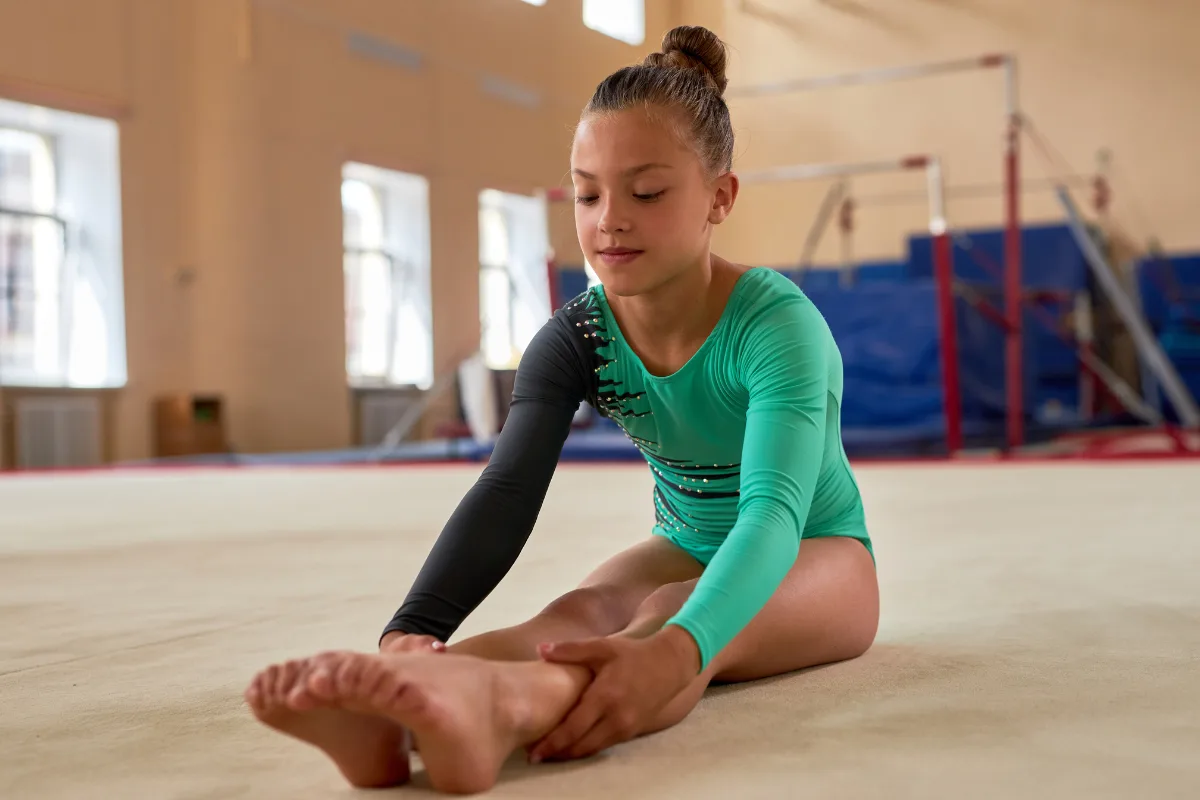
A practical gymnastics hairstyle keeps hair away from the face and clear of the activity without painful pulling. The best option depends on hair length, texture, the gymnast’s preferences and the gym’s rules.
Contents
Begin with a simple option
A ponytail may work when its loose length stays clear. Longer hair may need to be braided, folded or gathered into a bun. Short hair may need only a small section secured away from the eyes.
The name of a style does not establish whether it works for a particular gymnast. Check how the finished style behaves during the actual lesson.
Braids or buns: which suits the lesson?
Neither style is automatically better. A braid gathers strands together, while a bun gathers length into a compact area. The useful comparison is how each arrangement behaves on that gymnast during practice.
| Option | When it may help | What still needs checking |
|---|---|---|
| Braids | Containing loose strands or gathering hair into a manageable length | A long braid can swing into the face, and its end still needs to stay secured. |
| Bun | Keeping longer hair together with less loose length | Position, bulk and fastenings must remain comfortable during the planned activity. |
| Braided hair gathered into a bun | Combining an existing braid with a more compact arrangement | The extra gathering should not create pulling at the hairline or a heavy, uncomfortable knot. |
A bun does not make an athlete more disciplined, and braids are not automatically comfortable simply because they stay in place. If both arrangements work, the gymnast’s preference is a good reason to choose one.
Secure does not mean painfully tight
The American Academy of Dermatology warns that repeated pulling from tight hairstyles can cause hair loss. Painful styling should be loosened or changed, not treated as proof that a style is secure.
Braids, buns and ponytails can all create excessive tension if done too tightly. No single hairstyle is protective for every hair type in every situation.
Consider length and placement
A long braid or ponytail can still swing into the face. A bulky bun can feel uncomfortable in positions where the head approaches a mat. Position and secure the style so it suits the activity, with feedback from the gymnast and coach.
For textured hair, existing braids, twists or locs may be gathered as needed without forcing a completely different daily style. Avoid unnecessary pulling to make every athlete’s hair look identical.
Accessories and products
Use accessories permitted by the gym and check that they cannot readily fall loose or interfere with apparatus work. Large decorative pieces and rigid clips need particular consideration.
Styling products are optional, not a requirement for participation. Keep sprays away from the eyes and follow the product directions. More product is not a substitute for a workable style.
Check the result during an ordinary lesson
Before class, ask whether the style pulls anywhere and whether the gymnast can turn their head comfortably. During coached activity, notice whether hair repeatedly comes loose or needs moving out of the eyes. The coach can help identify whether the length or placement interferes with the lesson.
If a change is needed, try a simpler arrangement or a different position rather than pull everything tighter. Keep a permitted spare hair tie in the kit bag. There is no need to rehearse gymnastics skills at home to test a hairstyle.
Match the arrangement to the problem
If hair falls forward, identify where it comes from. Short front sections escaping a tie are a different problem from the end of a long ponytail swinging into the face. The first may need a separate way to gather those sections; the second may need the loose length contained.
If a bun feels uncomfortable, ask whether the issue is pulling at the scalp, pressure from its position or a fastening. Moving the entire arrangement may help with placement, but it will not necessarily solve excessive tension. Treat the gymnast’s description as useful information rather than asking them to get used to pain.
If a style falls apart halfway through class, consider its complexity and the condition of its fastenings. A worn tie or an arrangement that cannot hold the actual hair length may need replacing or simplifying. Adding more products can hide the problem briefly without making the style easier to maintain.
For children learning to manage their own hair, choose a routine they can gradually participate in. They might keep track of spare ties, identify when a section is loose or ask the coach for time to make an adjustment. Independence can develop without expecting a young gymnast to create an elaborate style alone.
Make the daily routine manageable
Plan hair preparation around the rest of the outfit. Consider whether a top or warm-up garment must pass over the head and whether doing so will disturb the style. A routine that works at home but has to be completely redone in the changing area may need simplifying.
Pack a small number of permitted spares where the gymnast can find them. Keep hair accessories separate from loose chalk and equipment fastenings. A clean, organised kit is easier to use quickly when a tie breaks or a section comes loose.
Ask the club about accessories before using unfamiliar ones. The coach can assess whether a rigid clip, decorative piece or headband interferes with the planned activities. There is no single accessory list that fits every class and apparatus.
Take the same practical approach after training. The AAD’s guidance on styling tension recommends changing styling habits that repeatedly pull on the hair. If you notice broken hairs, thinning or continuing scalp discomfort, seek advice from a dermatologist rather than making the next style tighter to conceal it.
Practice before a competition
Test the chosen style during training rather than introduce an unfamiliar arrangement on meet morning. Competition requirements should be checked for the actual programme. For example, the 2026–2027 USAG women’s rules require hair secured away from the face so vision of the apparatus is not obscured. That does not require every gymnast to wear one named style.
If a team has additional appearance instructions, discuss comfort and workable alternatives early. A familiar practice arrangement may need only a small adjustment for the meet rather than a completely new design.
The competition hairstyle guide offers style ideas and a meet-day check.