

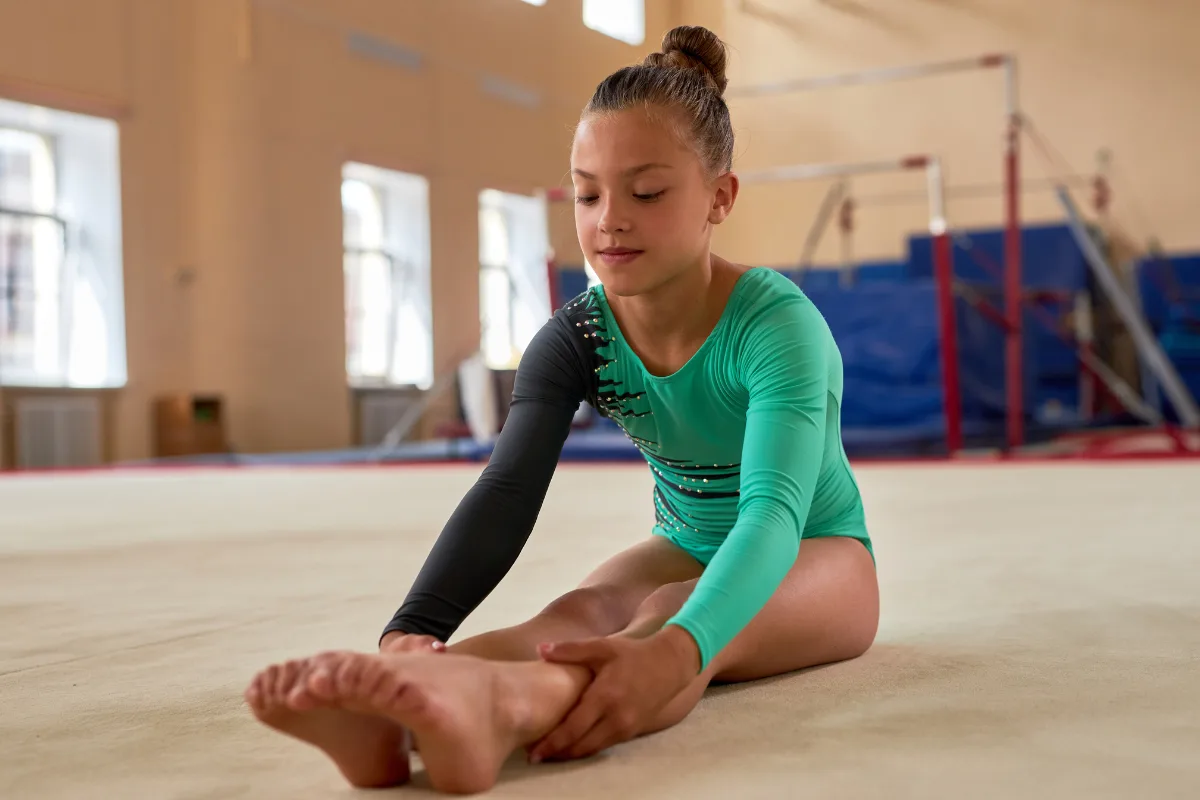
Hair That Holds: Top Styles for Gymnastics Practices and Competitions
In gymnastics, every detail matters—from the tightness of your handstand to the firmness of your hairstyle. Hair that slips loose…

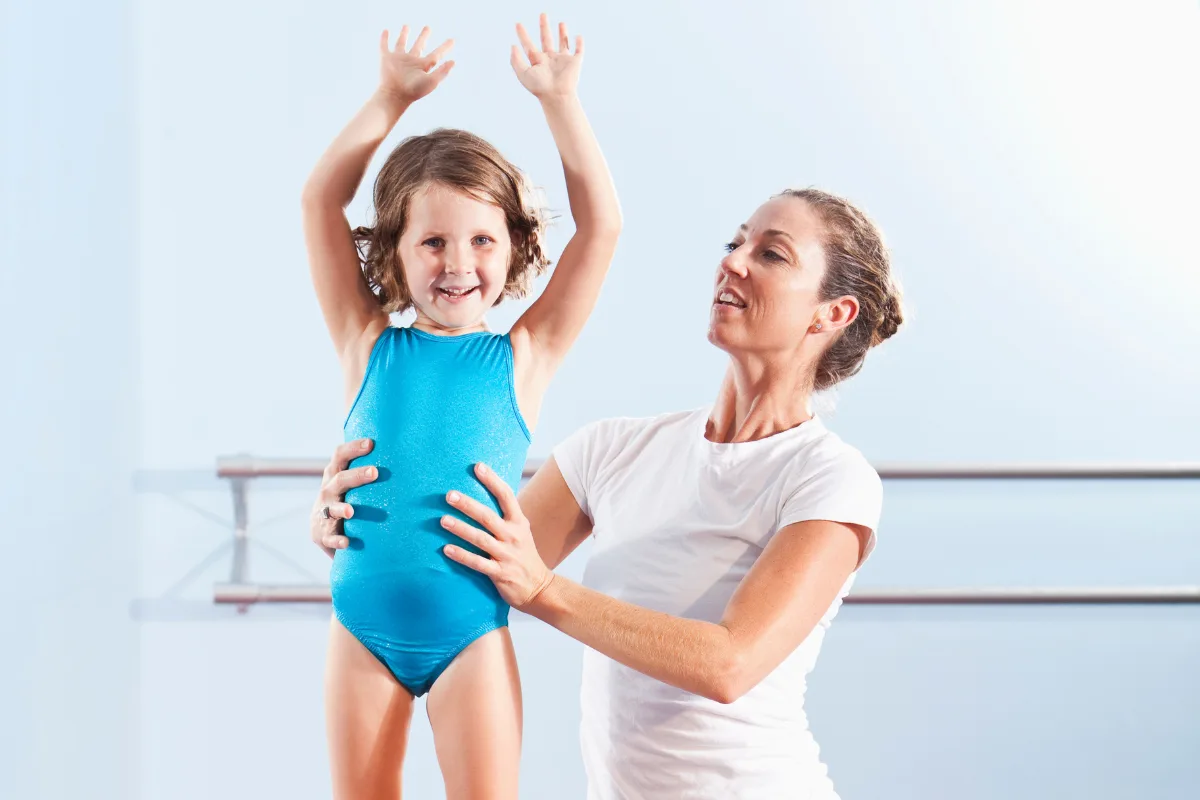
A Guide to the Gymnastics Development Program (Levels 1 – 10)
The Women’s Development Program (formerly the Junior Olympic Program) is USA Gymnastics’ 10‑step staircase that shepherds athletes from their first forward roll…

What is the Optional Program in Artistic Gymnastics?
The USA Gymnastics Women’s Development Program is divided into three major segments: The Optional Program is the only phase where…
How Gymnastics Levels Work: USAG, FIG, and NCAA
Levels exist to make the learning curve humane. They break the sport into manageable steps, ensuring gymnasts master foundational skills…
What Is Gymnastics? A Beginner’s Guide to the Sport
Gymnastics is a dynamic and captivating sport that combines strength, flexibility, balance, coordination, and grace. It involves performing sequences of…
How Many Rotations in Women’s Gymnastics at the Olympics?
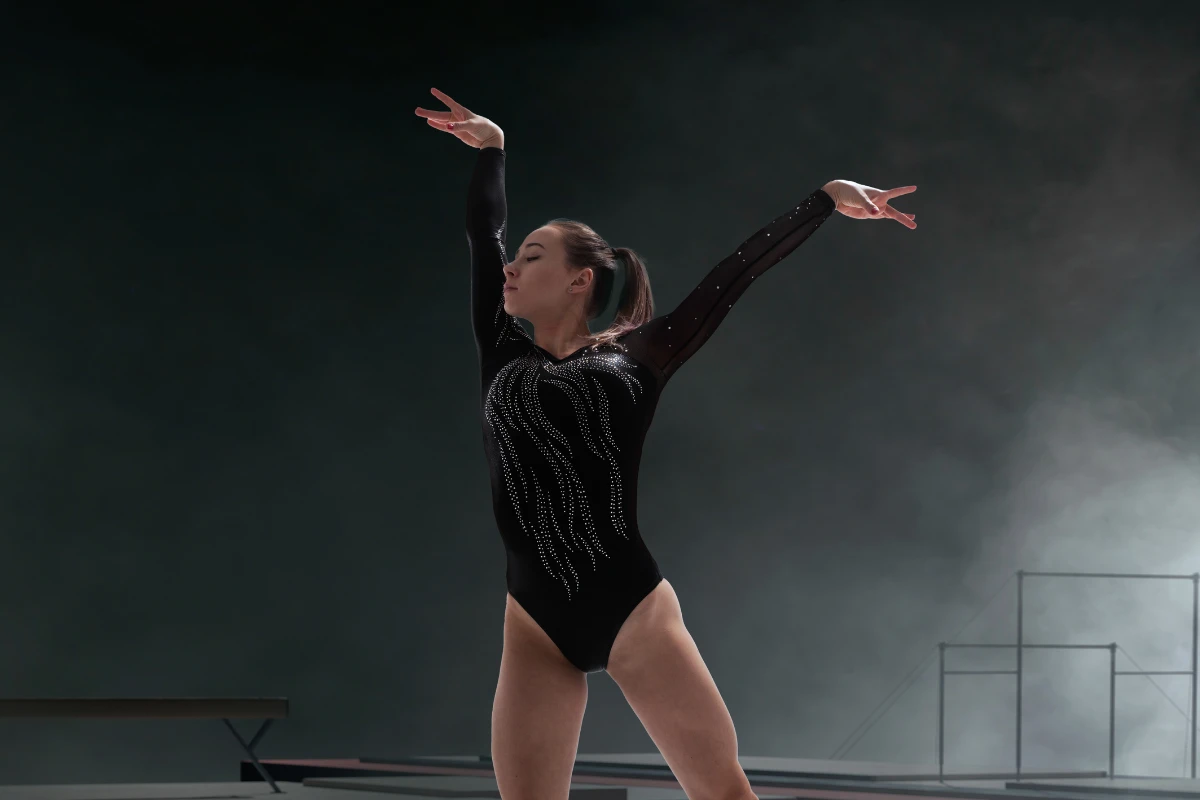
In women’s artistic gymnastics (WAG), Olympic competition is centered around a four-rotation format—with one rotation for each apparatus. These rotations…

How Gymnasts Keep Their Leotards in Place: Smart Tricks That Work
One of the most common challenges gymnasts face is keeping their leotards in place. A leotard that rides up can…

Why Gymnasts Don’t Get Wedgies (And How They Make It Look Easy)
Gymnasts make their routines look effortless, gliding through flips, jumps, and twists without a single wardrobe mishap. But how do…
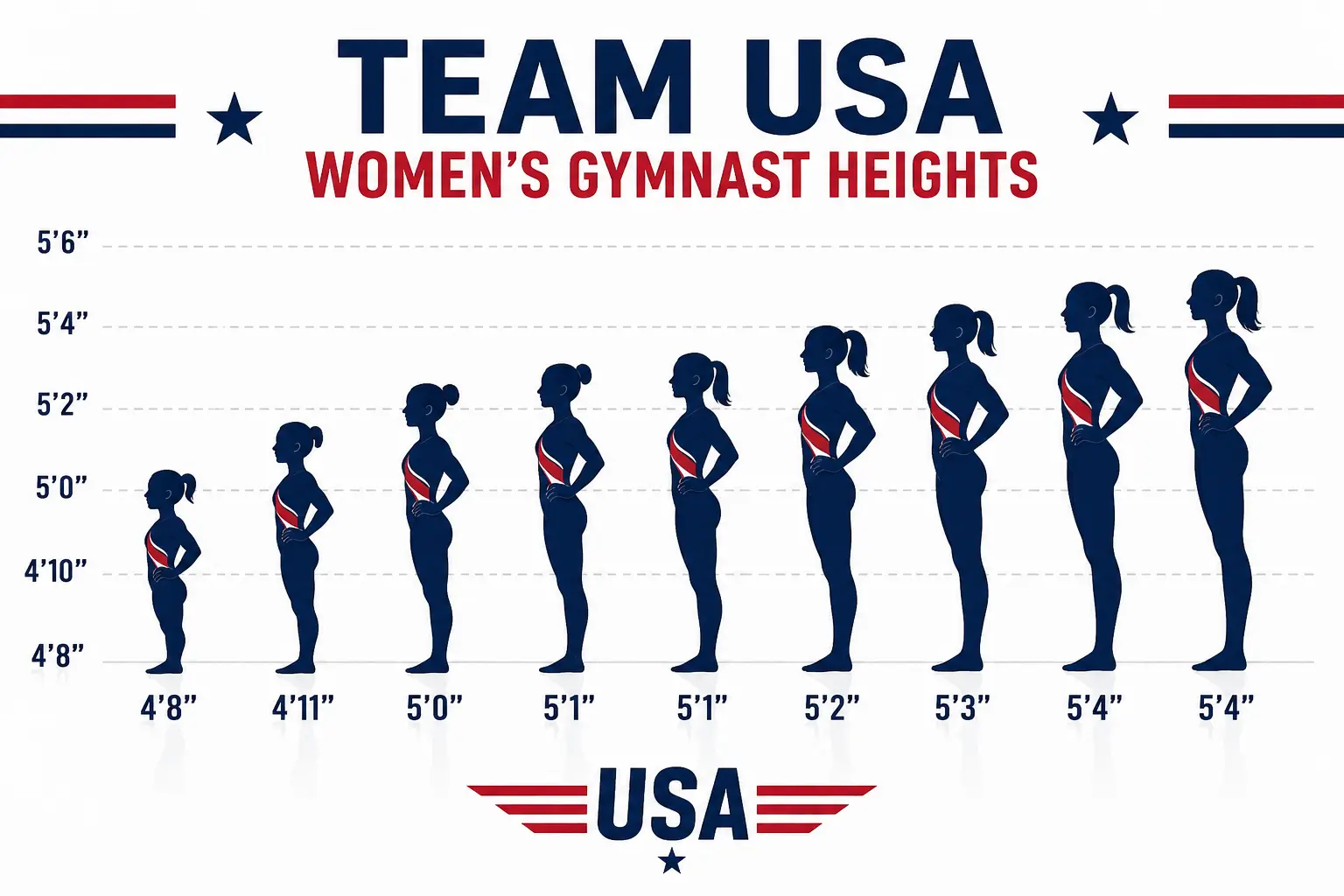
Think Gymnasts Are Short? Meet the Tallest Female Gymnasts in Olympic History
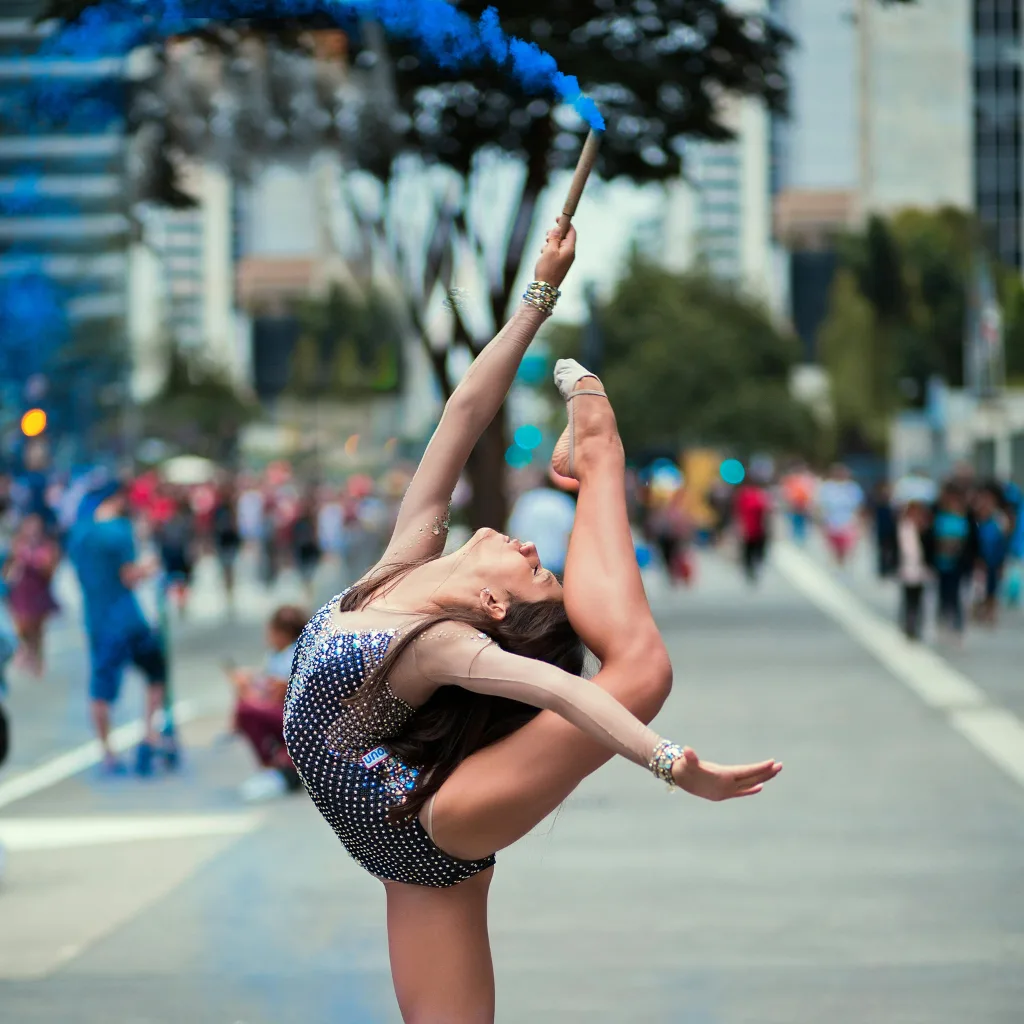
When most people picture a female Olympic gymnast, they probably imagine someone small and compact. Simone Biles, for example, is…
Why Female Athletes Excel at Balance: The Hidden Power of Center of Gravity
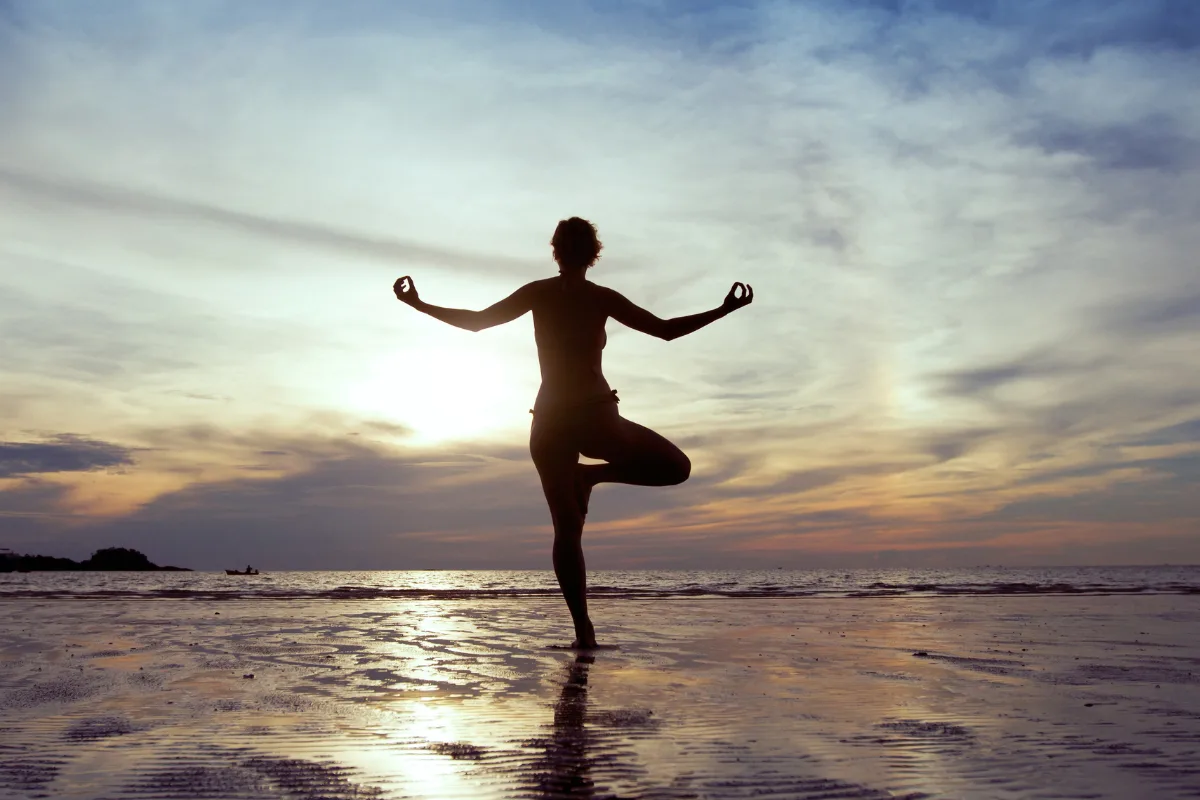
The center of gravity (COG) is the point where your body’s mass is evenly distributed in all directions. Think of it as…