Why Are Handstands So Tiring?
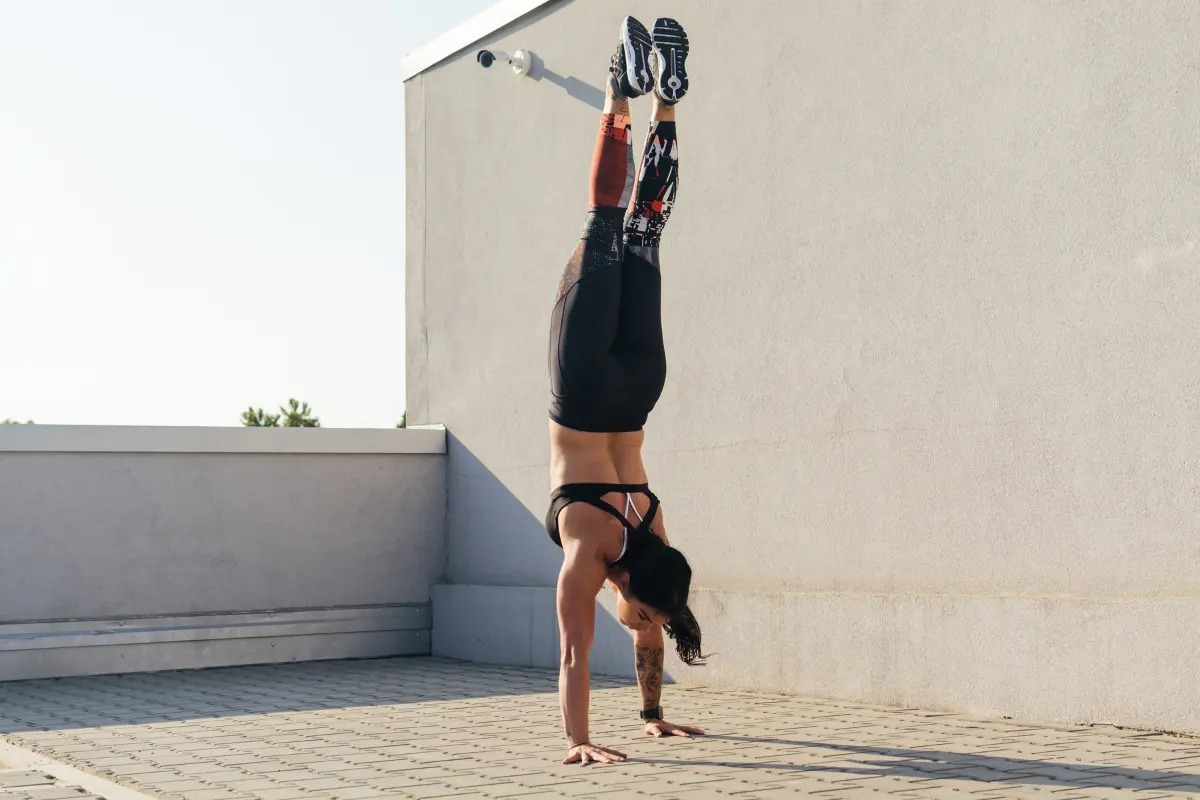
Ever wondered why flipping your world upside down can be so exhausting? Handstands, a classic staple in gymnastics, yoga, and even casual fitness, may look like a simple trick of balance, but they pack a full-body challenge.
Here are the main reasons:
1. Muscle Engagement
A handstand requires more than just flipping upside down. It involves complex, whole-body coordination, engaging multiple muscle groups. The primary muscles worked include the deltoids, trapezius, upper chest, triceps, and the core muscles.
The energy demand for maintaining such widespread muscle engagement is high. These muscles are engaged not just in holding a position but are also continuously adjusting to maintain balance.
Holding that tension is tiring in itself: the shoulders, arms, wrists and trunk never get a break while they keep you balanced.
2. Blood Flow
Being upside down also changes where your blood goes: more of it moves toward your head, which can feel strange at first.
- Oxygen Supply and Utilization:
The change in blood flow can also affect how well oxygen is delivered and used by the muscles. During a handstand, there might be more blood—and therefore oxygen—going to the brain and upper body, which could reduce the efficiency of oxygen use in the muscles that are working to hold the handstand, leading to faster fatigue.
- Brain Function and Dizziness:
More blood flow to the head can cause dizziness or lightheadedness, especially for beginners or those not used to handstands. This can make it harder to keep the pose and increase fatigue.
3. Breathing Difficulties
Breathing can be more challenging in an inverted position.
- Diaphragmatic Pressure:
When you’re upside down in a handstand, your belly organs push against your diaphragm, the main breathing muscle. This makes it hard to breathe deeply. Shallow breaths mean less oxygen is taken in, leading to quicker fatigue because your muscles don’t get enough oxygen to work well.
- Respiratory Efficiency:
In a handstand, your breathing isn’t as good as usual. Normally, your diaphragm and other chest muscles work together smoothly to help you breathe. But when you’re upside down, gravity messes this up, making your breathing less effective. This not only cuts down on the oxygen getting to your body but also slows the removal of carbon dioxide, which can make you tired faster.
- Stress and Anxiety Response:
Handstands can be stressful, especially if you’re not used to them. Stress or anxiety can make you breathe quickly and shallowly, using less oxygen efficiently. This not only lowers your physical endurance but also affects your focus, both necessary for holding a handstand.
4. Mental Concentration
A significant amount of focus and concentration is required to balance and hold a handstand. The mental effort involved in maintaining balance, adjusting micro-movements, and stabilizing the body can be mentally exhausting.
For many, especially beginners, handstands can induce a fear of falling, leading to increased anxiety. The fear of falling can heighten the senses, sharpening focus but also draining mental energy.
Boosting Your Handstand Endurance: Tips from a Professional Coach
Mastering the art of handstands is a journey that requires persistence, precision, and the right techniques. Ellen Henry, a skilled circus performer and handstand coach, shares invaluable insights into enhancing handstand endurance, vital for both novices and seasoned practitioners aiming to extend their hold times.
1) Foundation is Key
Before diving into endurance, it’s crucial to nail down the basics. Proper hand placement and posture are foundational elements that dictate success in handstands.
Placing your hands directly under your shoulders creates a natural alignment, reducing the muscular effort needed and leveraging your skeletal structure for support. This efficient use of anatomy not only eases the strain on your muscles but also enhances stability.
2) Avoiding Common Pitfalls
Many enthusiasts struggle with a ‘banana back’—a common error where the back arches during a handstand, making it harder to maintain balance. Addressing this issue involves practicing correct posture and incorporating specific exercises to straighten the spine.
Ellen’s video above includes drills for this.
3) Enhancing Wrist Mobility and Strength
Wrist health is another critical aspect often overlooked. Adequate wrist mobility and strength are essential for supporting your body weight and achieving prolonged handstands.
Ellen recommends regular wrist warm-ups and exercises, like wrist push-ups, which progressively build the resilience needed for longer handstands. If your wrists hurt, stop for the day. If they’re still painful or swollen the next day, get them checked by a doctor or physical therapist; the American Academy of Pediatrics gives the same advice for gymnasts.
4) Progressive Training Techniques
Progressing in handstand training involves gradually increasing hold times and ensuring your shoulders are sufficiently strong to support extended durations. Beginners should focus on building strength through foundational exercises before attempting more advanced balances.
Ellen highlights the importance of structured progression, starting with simpler exercises and advancing to more complex holds as strength and confidence grow.
5) Balancing Drills and Static Holds
Improving balance is fundamental for effective handstands. Ellen advises practicing balancing drills that help you understand how to grip the ground effectively with your hands. Static holds, both free-standing and against the wall, are also excellent for pushing endurance limits.
When practicing against a wall, Ellen recommends the ‘tummy to wall’ approach to maintain proper form and avoid the pitfalls of the ‘back to wall’ technique, which can encourage poor habits.
6) Maximizing Endurance
To truly enhance your endurance, Ellen suggests pushing the duration of handstands until you reach the point of fatigue, then recording these times to track progress and set new goals.
This approach helps in gradually increasing your endurance threshold, allowing you to hold handstands longer.
7) Integrating Endurance in Performance
For performers aiming to include handstands in their acts, decreasing rest periods between drills can simulate the demands of a live performance, helping build the stamina needed for a seamless show.
This method not only improves endurance but also prepares the body to handle the rigorous pace of performance routines.
Final Thought
Handstands challenge the body and mind in unique ways, making them an exceptionally tiring exercise. Despite these challenges, with consistent practice, proper technique, and focused training, we can still build the stamina and skill needed to perform handstands with greater ease and less fatigue.