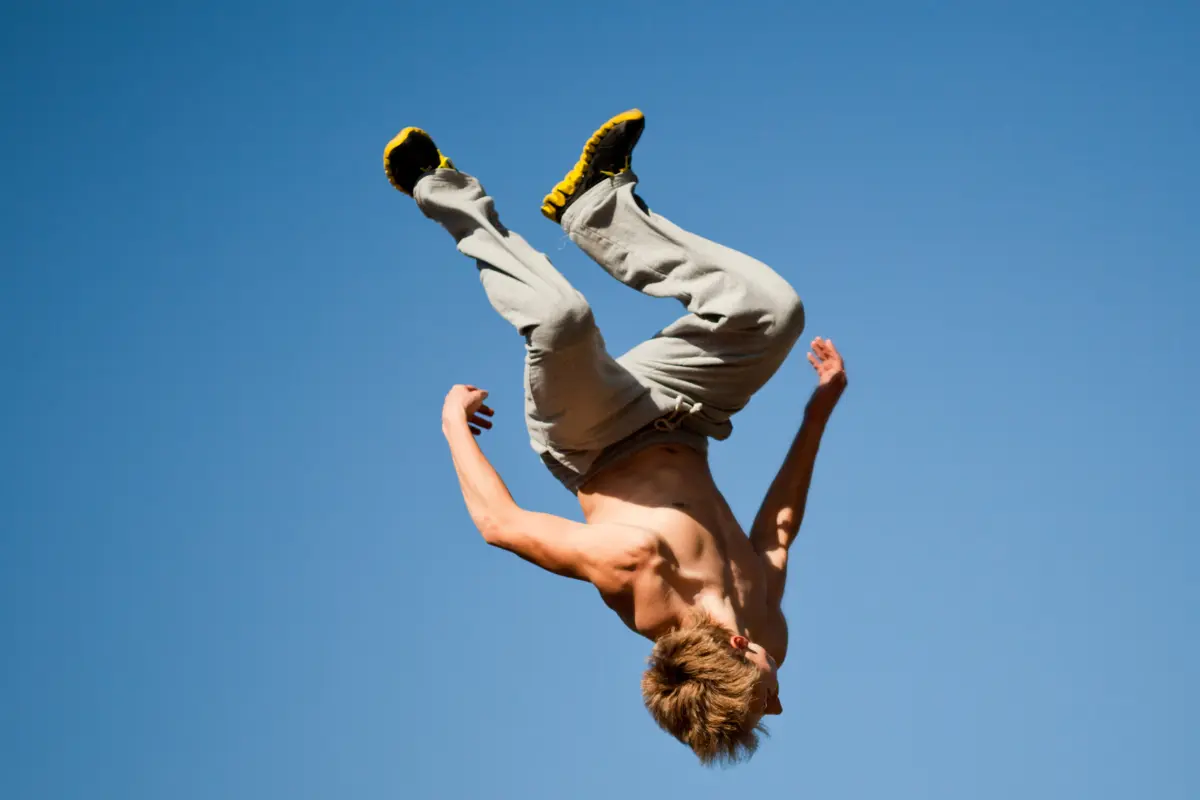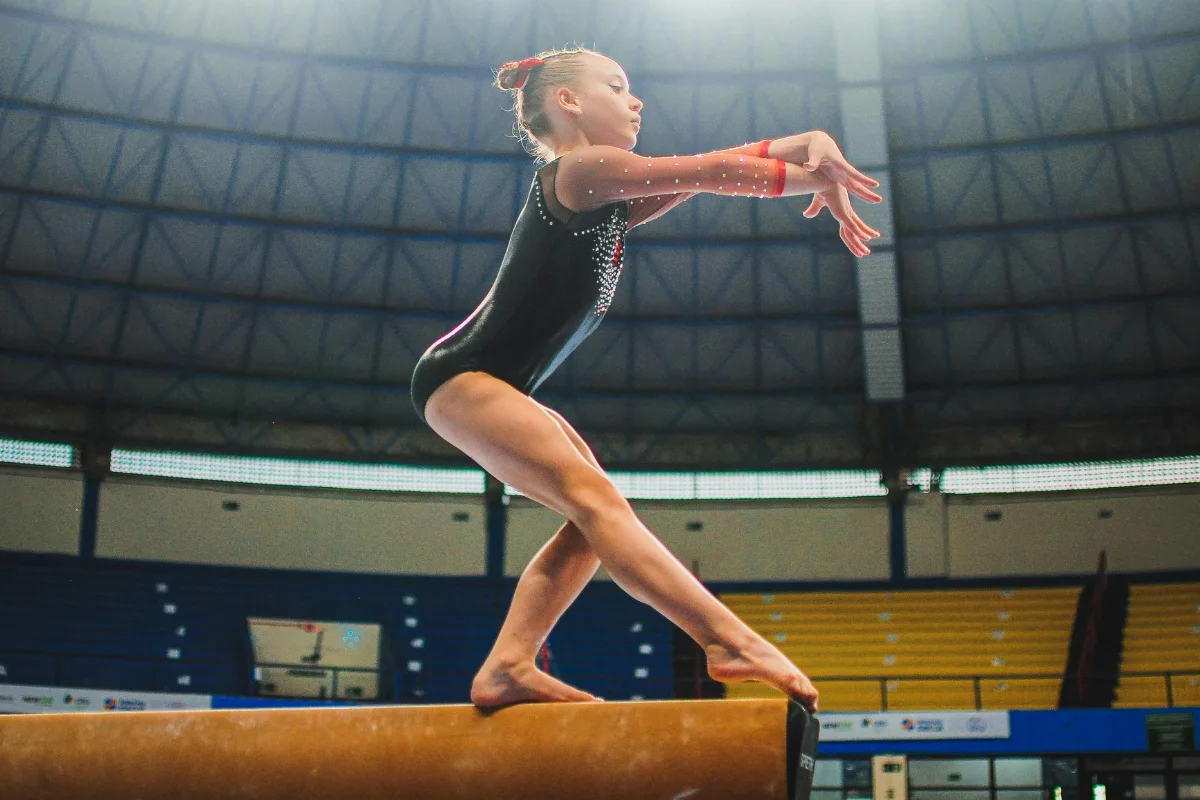
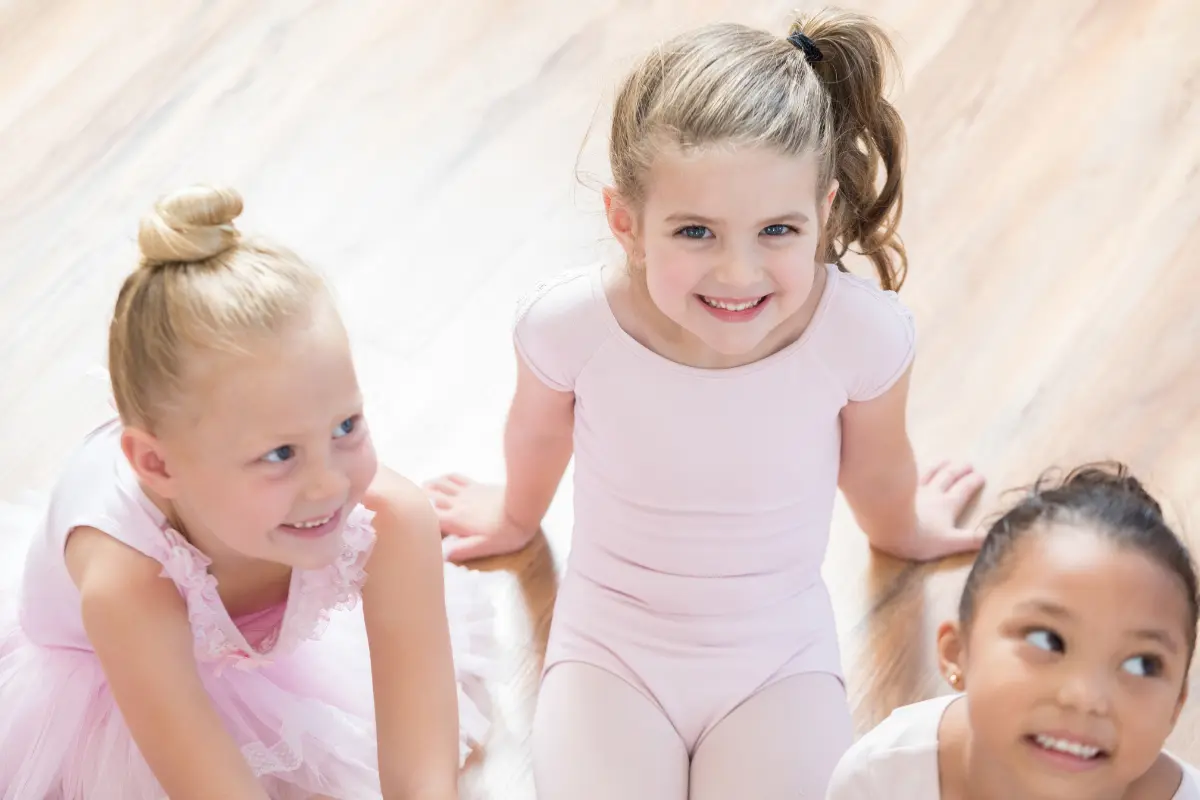
When your child is around age 2 or 3, it’s natural to wonder whether gymnastics or dance is the better first activity. Both offer tremendous benefits, but because each one emphasizes different types of movement, structure, and expression, the “best” choice depends on many factors.
How Early Can Toddlers Start And What to Expect
Many parents are surprised by how early toddler movement programs begin. While you won’t find formal “training” at this age, you will find classes designed to support healthy development, confidence, and safe exploration.
Gymnastics: Starting as Early as Infancy
Many gyms offer parent-tot or preschool gymnastics classes from infancy through age 3. These sessions use:
- soft mats
- low beams
- small, toddler-safe equipment
Activities focus on crawling, climbing, bouncing, rolling, balancing, and simple guided play — not formal gymnastics skills.
When Structured Gymnastics Begins
More structured gymnastics, including basic tumbling, strength patterns, and coordination drills, is usually best introduced around ages 3–6, once children:
- follow multi-step directions
- have improved body awareness
- show longer attention spans
Dance: A Gentle Start Around Ages 2–5
Preschool dance classes designed for ages 2–5 focus on:
- rhythm and music
- imaginative play
- simple dance steps
- creative movement
Sessions stay playful and expressive rather than technical.
Bottom line:
Both gymnastics and dance are great choices at age 2–3 as long as the class is truly toddler-friendly. Programs should feel fun, exploratory, and low-pressure, with no expectation of performance or precision.
What Gymnastics Offers for Toddlers
1. Physical Development: Strength, Coordination, and Balance
Gymnastics gives toddlers natural opportunities to move in ways that build their bodies.
- Activities develop core strength, muscle tone, and flexibility through rolling, pushing, climbing, and stretching.
- Toddlers also refine balance, coordination, and proprioception, skills that support everyday movement and future sports.
2. Cognitive, Social, and Emotional Growth
Gymnastics challenges both the brain and body in simple, age-appropriate ways.
- Movement patterns like “walk → stop → jump” or “crawl → climb → jump” help build spatial awareness and motor planning.
- In group settings, toddlers practice taking turns, listening, sharing space, and working with peers.
- Small achievements boost confidence and create a healthy sense of accomplishment.
3. A Structured, Skill-Building Environment
Gymnastics tends to be more structured than toddler dance.
- Coaches guide children through specific circuits and movement patterns designed to build foundational strength and coordination.
- This routine-based approach is ideal for toddlers who enjoy predictability, physical challenge, and seeing their progress over time.
What Dance Offers for Toddlers
1. Creative Expression, Rhythm, and Body Awareness
Dance allows toddlers to explore movement in joyful, natural ways.
- Classes introduce music, rhythm, and coordinated movement, giving children space to express themselves creatively.
- Dance also supports posture, balance, coordination, and spatial awareness, often through softer, more fluid movements than gymnastics.
2. Emotional, Social, and Cognitive Benefits
Dance nurtures emotional expression and social development.
- Toddlers can express feelings through music and storytelling-style movement, encouraging confidence and creativity.
- Group activities such as dancing in a circle, following a simple routine strengthen listening skills, cooperation, and peer interaction.
- Because preschool dance is imaginative and low-pressure, it’s a great fit for children who thrive in gentle, less structured environments.
3. Flexibility and Accessibility
Dance requires minimal equipment and less physical strength, making it:
- accessible for toddlers still developing coordination
- ideal for little ones drawn to music-driven, expressive movement
Key Differences & What Fits Your Child Best
| Consideration | Gymnastics | Dance |
|---|---|---|
| Physical emphasis | Strength, balance, coordination, tumbling basics | Rhythm, flexibility, posture, fluid movement |
| Structure level | More structured, coach-led, skill-based | More creative, imaginative, music-driven |
| Emotional outlet | Builds confidence through accomplishing physical skills | Encourages expression, imagination, emotional awareness |
| Best for high-energy kids | Great for jumping, climbing, and active movement | Great when you want creative movement without intense physical demand |
| Best for music-loving toddlers | Minimal music involved | Strong focus on music, rhythm, and expressive movement |
In simple terms:
- Choose gymnastics if your toddler loves to climb, jump, tumble, or thrives with structure.
- Choose dance if your toddler loves music, imaginative play, and creative movement.
What Experts and Child-Development Specialists Say
Experts agree on one thing: movement is essential, but it must match a child’s developmental readiness.
- Structured gymnastics with real skill progressions is usually more appropriate around ages 3–6, once kids can follow instructions safely and consistently.
- Many specialists suggest that ages 2–5 are better suited to free play or lightly structured movement, not rigid instruction.
- To meet toddlers where they are developmentally, many programs offer parent-tot classes that blend gentle guidance with exploration and lots of parental support.
In short: Toddlers learn best through playful, guided movement, not strict training. Formal instruction can come later.
Why Many Parents Combine Both
You don’t have to choose just one especially in the early years. Many families discover that gymnastics and dance complement each other beautifully.
- Gymnastics builds strength, balance, coordination, and confidence.
- Dance builds rhythm, musicality, expression, and fluid movement.
Together, they help children develop a well-rounded movement foundation, giving them the ability to move strongly and gracefully.
This combination also allows toddlers to explore both structured and creative styles of movement. As they grow, their own preferences naturally emerge, some lean toward gymnastics, others toward dance, and many enjoy both for years.