Creating Your First Custom Floor Routine: From the Coach’s Brief to the Final Edit
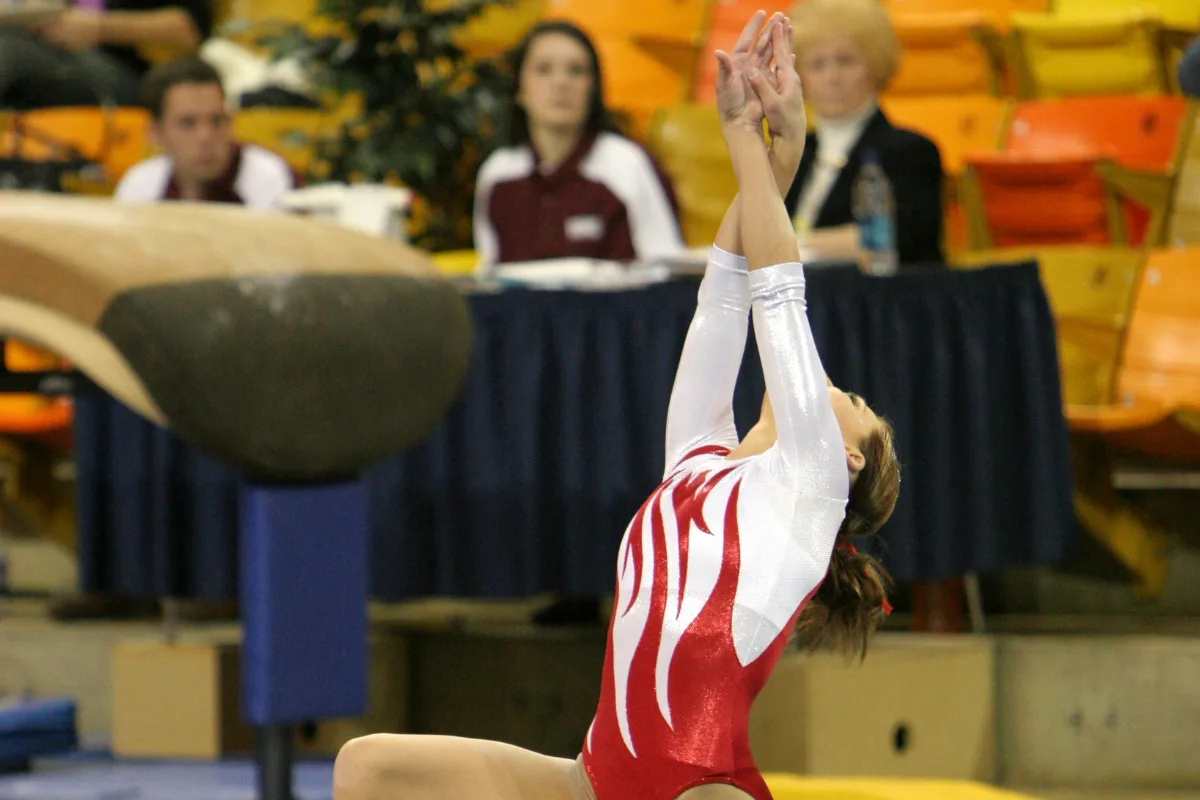
Creating a first custom floor routine starts with a clear brief: the gymnast’s program, current skills, applicable requirements, musical preferences and the people who will approve the finished exercise. Music and choreography then develop around that brief.
Contents
- Agree on the Routine Brief
- Build From the Actual Requirements
- Select Music for the Gymnast and the Planned Exercise
- Map Space Alongside the Sequence
- Develop Musical Phrases, Not Separate “Artistry Sections”
- Choose an Opening and Ending That Work in Motion
- Review a Draft in Three Passes
- Finish With a Clear Handover
This guide concerns women’s artistic routines with individually selected content, such as USAG optional and Xcel exercises. USAG compulsory Levels 1–5 use prescribed routines. “Optional” also does not mean every movement must be unique to one athlete; clubs may share choreographic material while meeting the relevant rules.
Agree on the Routine Brief
The coach should establish which level or division the routine is intended for and which skills belong in the current plan. The gymnast can contribute preferences about music and movement. A choreographer can translate that information into a coherent exercise, while the family may help with scheduling and the recording.
Write down who makes the final decisions. If a choreographer assumes a new salto is competition-ready while the coach intends to keep the existing pass, the routine may need unnecessary reworking. A shared brief prevents that mismatch.
Include any practical constraints: the choreography appointment, available rehearsal time, the expected first competition and whether the music is already selected. These details affect the work without establishing a universal number of weeks every gymnast needs.
Build From the Actual Requirements
Use the current program documents, rather than a general checklist of “two or three passes, a leap, a jump and a turn.” The required values, connections, shapes and permitted elements vary. A familiar skill name is not enough to confirm that a whole routine meets them.
For example, the 2026–2030 USAG DP chart gives Levels 6–7 an eighty-second floor maximum and Levels 8–10 ninety seconds. The Xcel chart has division-specific limits and requirements. One ninety-second template will not fit every gymnast.
The DP optional floor requirements guide explains the levels in more detail. Use it to understand the coach’s plan, with the official rules as the reference for the final content review.
Select Music for the Gymnast and the Planned Exercise
Listen to a short selection of candidates and ask what the gymnast likes about each one. A clear answer—such as enjoying its changing accents or flowing middle phrase—gives the choreographer more information than choosing solely because a successful athlete used it.
There is no universal requirement for music to run at 120–130 beats per minute. Tempo, phrasing and changes in intensity should fit the intended movement. The fastest or most dramatic recording is not automatically the easiest to perform well.
Review the exact edit for the program’s music rules. In FIG women’s floor, wordless human voice can be permitted while music with words is penalized. Other programs need their own check. A seller’s category label does not replace the coach’s review of the actual file.
The optional floor music guide covers choosing and preparing the recording. Clarify what a purchased or commissioned edit includes, its usage terms and how revisions will be handled before committing to it.
Map Space Alongside the Sequence
Sketch the floor and mark where major sections begin and end. Include the paths between them, not only the tumbling lines. The routine needs enough space to travel into each planned approach without crowding the next movement against the boundary.
The coach decides where the acrobatics fit and which content is appropriate. There is no general rule to save the hardest pass for last. The final line has a role in the scoring rules, but its selection must also suit the gymnast and the complete exercise.
At this stage, a rough floor map can reveal practical problems early. Perhaps a dance sequence ends facing away from the next route, or the last section repeatedly leaves too little room for the finishing choreography. Fixing the route may help more than adding decorative movements.
Develop Musical Phrases, Not Separate “Artistry Sections”
Artistic performance should continue through the exercise. It is not a short optional interlude between tumbling passes. The movements entering a corner, the changes of level and the transitions after a landing all contribute to how the routine is presented.
The FIG floor artistry guidance describes the relationship between movement, musical character and continuity. That offers useful language for discussing the event, while domestic judging criteria still need to be checked separately.
Try connecting a few movements to one musical phrase, then review how that phrase leads into the next. A sharp gesture, a sustained reach or a change in pace should have a reason within the piece. Adding more movement does not necessarily make the interpretation clearer.
Choose an Opening and Ending That Work in Motion
The first position should lead comfortably into the opening movement. The last position should be reachable from the final sequence without a rushed correction. Both need to make sense with the music and the gymnast’s location on the floor.
A complex balance is not automatically more expressive than a simple shape. Test the transitions, not just the frozen pose. The starting-and-ending guide explains those choices and their timing context.
Review a Draft in Three Passes
| Review | Main question |
|---|---|
| Content | Does the approved skill plan meet the applicable requirements and restrictions? |
| Movement and music | Do the phrases, routes and transitions fit together? |
| Practical delivery | Can the gymnast rehearse the agreed version, and is the correct recording ready? |
Keep the feedback specific. “The transition after this line feels rushed” is easier to act on than “the routine needs more energy.” Identify whether the problem belongs to the movement, the route or the recording before changing all three.
The coach controls how the sections and full routine are practised. Choreography rehearsal does not require repeating every difficult acrobatic element each time the musical sequence is reviewed.
Finish With a Clear Handover
Record the approved routine in a way the gymnast can use for reference, following the club’s filming rules. Keep notes about any agreed changes and make sure an old draft is not mistaken for the current version.
Label the final music file clearly and confirm who submits it to meets. If a later edit shifts the musical cues, update the choreography notes as well. The timeline-planning guide can help keep those details aligned.
A finished first routine should feel understandable to the gymnast: they know the sequence, the musical cues and the purpose of the movement. Its strength comes from suitable content performed as a connected exercise, with room to develop as the gymnast gains experience.