Recreational Gymnastics: Learning, Progress and the Choice to Compete
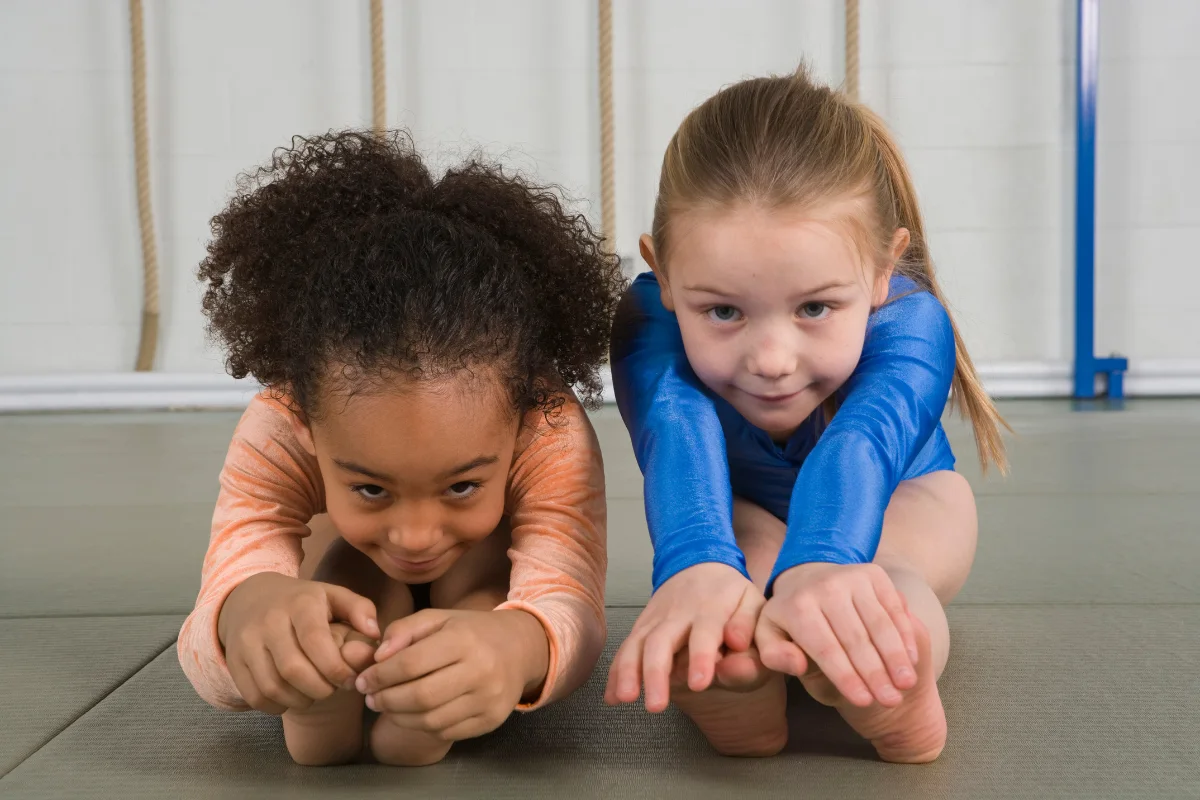
Recreational gymnastics offers structured gymnastics learning without making a competition schedule the central commitment. A participant can learn apparatus skills, work through class levels and enjoy improving without joining a team.
Contents
The word recreational describes the program’s purpose, not the quality of the teaching or the seriousness of the participant’s interest. Some recreational gymnasts are complete beginners. Others have trained for years and want continuing instruction that fits alongside school, work or other activities.
To choose well, look beyond the class name. Find out what apparatus the class teaches, how placement works, what progress looks like and which commitments are optional. Those details vary between clubs.
What happens in a recreational gymnastics class?
An artistic gymnastics class usually combines a warm-up, basic movement and body-position work, apparatus stations and age-appropriate strength or flexibility activities. The equipment and skills depend on the program, participant experience and available coaching.
A beginner may work on a floor task, use a low teaching beam or practise a bar activity with the coach’s assistance. These stations prepare skills gradually. Being enrolled in gymnastics does not mean immediately using every apparatus at competition height or attempting the routines shown in elite broadcasts.
Clubs can distribute apparatus work across several lessons. For example, Gymnastics East describes a beginning school-age girls’ class that visits three of its five teaching apparatuses per lesson, covering all five over two weeks. The same provider also lists middle-school and high-school classes welcoming a range of experience. This is one program’s structure, not a national template.
Ask which apparatuses your class includes and how often each appears. A floor-focused tumbling class and an artistic class with bars, beam or men’s apparatus can share some skills while offering different experiences. Our comparison of tumbling and artistic gymnastics classes helps clarify that choice.
Recreational class levels are usually local labels
Names such as beginner, intermediate, advanced, Rec 1 or a series of animal names can describe a club’s own progression. Do not assume that a recreational Level 3 is the same as a USA Gymnastics competition Level 3.
This matters when changing clubs. Bring a description of what the gymnast has practised, rather than relying only on the old class label. The new coach may recommend an assessment or a trial in an appropriate group. That does not necessarily mean the gymnast has moved backward; the two programs may organise their skills differently.
Ask how the club determines placement. Does the coach assess skills continually, use a written checklist or schedule specific evaluations? What happens if a gymnast is comfortable on one apparatus but needs more support on another?
A useful progress discussion includes both what the gymnast can do and the conditions in which they can do it. A skill completed with assistance on a teaching setup is different from the same skill performed independently and consistently. Both can represent progress, but they should not be treated as interchangeable.
How recreation differs from a competitive program
| Question | Recreational class | Competitive program |
|---|---|---|
| What organises the learning? | The club’s lesson plan and class progression. | Training goals alongside the requirements of a particular competition program. |
| Are routines required? | A class may use short sequences or an optional display. | Gymnasts prepare routines or exercises for the meets they enter. |
| What determines progression? | The club’s placement and assessment approach. | Club decisions together with applicable age, level and eligibility rules. |
| What is the time commitment? | The class schedule and any optional extra sessions. | The team’s training schedule, meet calendar and related expectations. |
| What expenses need checking? | Tuition, registration, clothing and optional activities. | Those costs plus applicable memberships, meet fees, uniforms, travel and other team charges. |
There is no universal weekly training-hour threshold separating the two. A club may offer advanced recreational classes or a relatively modest competitive commitment. Compare the actual schedules instead of assuming every team trains the same amount.
Also distinguish a club display from a sanctioned competition. A year-end performance can let recreational participants share their learning without creating an ongoing meet commitment. Ask whether participation, clothing and additional charges are optional.
Xcel and Club Track are competitive choices
Some program names can blur the distinction. USA Gymnastics describes women’s Xcel as an alternative competitive program with flexibility for coaches and athletes. It is still a competition program, not simply another name for a noncompetitive recreational class.
On the men’s side, USAG describes Club Track as a level-based recreational competitive option intended to broaden participation. Here, recreational appears in the description of a program that does include competition. Ask which meaning a local club intends when it uses the term.
Neither name tells you the exact number of training days, cost or selection process at a particular gym. Those are separate questions. A family considering a change should request the team’s schedule and expectations rather than infer them from the national program’s general purpose.
A beginner does not need to settle this pathway at enrollment. Understanding the available options is useful; treating every recreational lesson as an audition for a team is unnecessary.
What meaningful progress looks like without medals
Progress can include learning a new movement, needing less assistance, using a more demanding teaching setup, connecting familiar skills or understanding a coach’s correction. It can also include becoming comfortable asking for help and recognising when a task needs further preparation.
Consider a hypothetical progress note: a gymnast now performs a floor sequence independently, still uses assistance on a bar task and is working on a steadier beam finish. That tells a family more than a single statement that the gymnast is almost ready for the next class.
Ask the coach to identify one or two current priorities and explain how the lesson addresses them. Repetition is useful when it has a purpose, such as improving a body position or making a familiar action more consistent. It is less informative to count how many impressive-looking skills appear in one session.
There is no need to turn those priorities into unsupervised home apparatus training. If the gymnast wants activities outside class, ask the coach what is appropriate for their ability and available space. Practising an unfamiliar skill from a video is not a substitute for an assessment.
Choose the next step around the gymnast’s goals
Staying in recreational gymnastics is a valid long-term choice. A participant may enjoy apparatus learning while preferring a flexible schedule or avoiding the demands of travel and competition. Others may want an assessment for a development group or team.
If a team invitation arrives, ask what changes immediately: training days, required attendance, seasonal fees, uniforms, meets and withdrawal arrangements. Discuss the gymnast’s interest before treating the invitation as something the family must accept.
Our gymnastics cost guide helps compare commitments over the same period. A monthly tuition figure alone may hide differences in registration, holiday schedules and team expenses.
For the current class, judge the fit by understandable teaching, appropriate challenge and an experience the gymnast wants to continue. The class-selection guide offers practical questions for comparing providers. A successful recreational program gives the gymnast somewhere to keep learning, whether or not competition ever becomes part of the plan.