Men’s Gymnastics Levels: Where Beginners Start and How They Progress
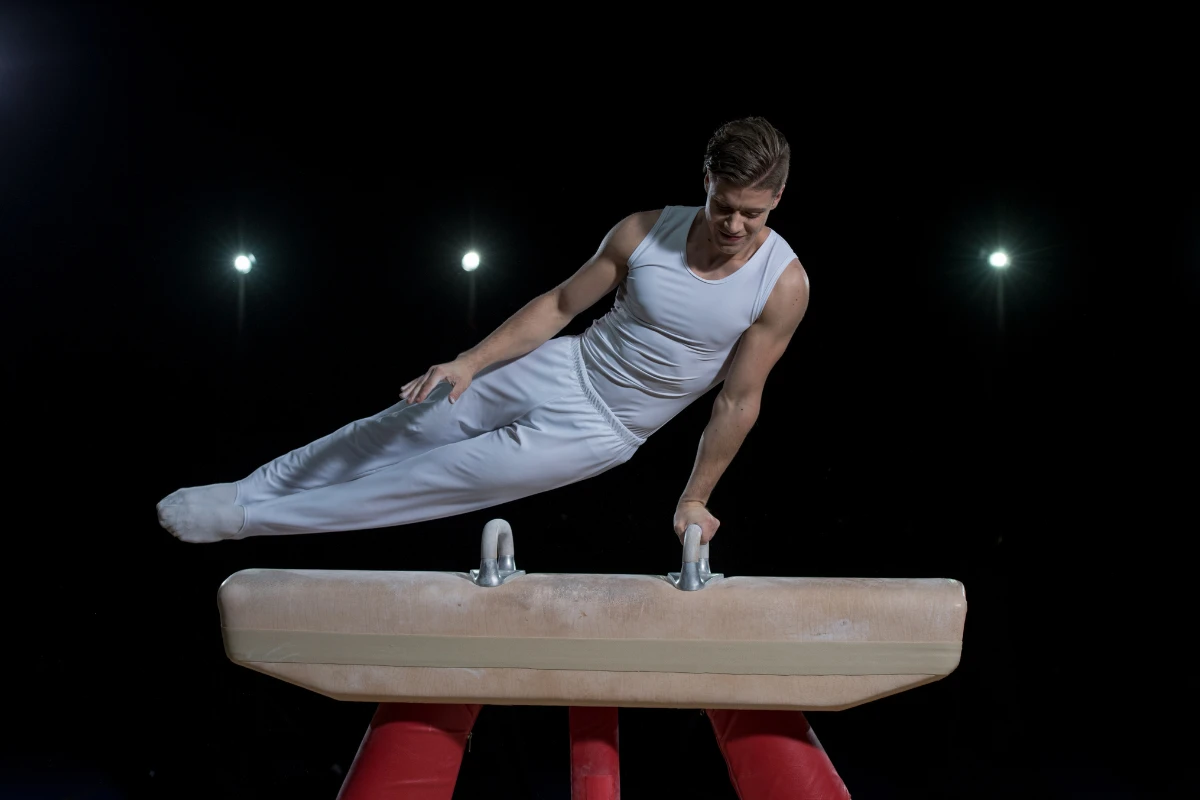
A boy starting gymnastics does not have to work through ten identical steps before finding his place in the sport. USA Gymnastics offers several men’s pathways, including introductory classes, the Club Track, the National Track and an elite pathway. The right starting point depends on experience, age and the kind of commitment the gymnast wants.
Contents
- The Men’s Levels at a Glance
- What Beginners Learn Across the Six Events
- Essential Elements: The Beginning Before Team Competition
- Levels 3–6: Learning to Compete With Prescribed Routines
- Levels 7–10: More Choice Within the Rules
- Club Track, Junior National and Junior Elite
- Age, Readiness and Moving Up
- Where to Find Exact Skill Requirements
- Finding the Right Starting Point
- Sources and Review Notes
This guide explains how those routes fit together. It covers men’s artistic gymnastics in the United States; women’s Development Program levels and Xcel divisions use different requirements.
The Men’s Levels at a Glance
For the National Track, the useful dividing line is between compulsory gymnastics, where routines are prescribed, and optional gymnastics, where routines are constructed within the rules for the level.
| Program or stage | Levels | What it means for a beginner |
|---|---|---|
| Essential Elements | 1–3 | An introduction to movement and gymnastics fundamentals, mainly before competitive team gymnastics. |
| National Compulsory Track | 3–6 | Prescribed routines build a shared technical foundation and competition experience. |
| National Optional Track | 7–10 | Gymnasts and coaches choose routine content within the applicable level rules. |
| Club Track | A separate competitive route | Offers a more flexible entry to competition, including for later starters and athletes with other activities. |
| Junior Elite development | Separate pathway requirements | Adds technical evaluation and qualification requirements; it is not simply the automatic next step after Level 10. |
The level ranges above follow USA Gymnastics’ dedicated pathway pages. A level number alone does not identify the gymnast’s division, equipment rules or full competition requirements.
What Beginners Learn Across the Six Events
Men compete on floor exercise, pommel horse, still rings, vault, parallel bars and high bar. Early training develops different kinds of control on each apparatus.
| Event | The foundation it develops |
|---|---|
| Floor exercise | Body shapes, rolls, handstands, tumbling and controlled landings. |
| Pommel horse and mushroom | Supporting body weight through the hands, shifting weight and developing circles. |
| Still rings | Hanging, support, swing control and stable body positions. |
| Vault | A coordinated run, springboard contact, body tension and landing control. |
| Parallel bars | Support positions, swings and control above and below the rails. |
| High bar | Hanging, swinging, grip changes and the foundations of circling skills. |
These are broad development areas, not a compulsory routine checklist. A skill being familiar to a young gymnast does not establish that it is required, permitted or ready to compete at a particular level. The artistic gymnastics moves guide explains the main movement families across the apparatus.
Essential Elements: The Beginning Before Team Competition
USA Gymnastics’ Essential Elements Level 1–2–3 program is designed mainly for pre-competitive boys aged 4–10, although it can be used at other ages. Its purpose is to make the fundamentals accessible and enjoyable.
This helps explain why a gym’s “Level 2 class” does not necessarily mean the child is preparing for the same kind of sanctioned competition as a National Track gymnast. Parents can ask whether a class name refers to an in-house teaching group, Essential Elements or a competitive program.
Levels 3–6: Learning to Compete With Prescribed Routines
The National Compulsory Track covers Levels 3–6. Gymnasts learn the prescribed work for their level, so competition rewards how well they perform a shared foundation of skills.
“Compulsory” does not mean that every competition detail is identical across divisions. The applicable rules may allow specified bonuses or options. Coaches need the current manual to determine what belongs in a particular routine.
A beginner watching a meet can focus on control: whether the gymnast maintains body shape, keeps the routine moving and finishes skills securely. More difficult-looking work is only one part of the picture.
Levels 7–10: More Choice Within the Rules
In the National Optional Track, routine construction becomes more individual. Two gymnasts can compete at the same level while showing different combinations of skills. “Optional” means there is a choice of content; it does not mean requirements are optional.
Level 7 provides an introductory optional route. Levels 8–10 continue the optional pathway, with the applicable rules determining routine content and competition eligibility. Level 10 is the highest numbered Development Program level.
Progression is not always one level per year. USA Gymnastics describes multiple entry points, including entry to Level 7 from the Club Track and movement from compulsory gymnastics to an age-appropriate optional level. A coach must check the placement and mobility rules before deciding where an athlete can compete.
Difficulty and performance quality both matter. For the international scoring framework behind much of advanced men’s gymnastics, see the men’s scoring guide. Domestic level rules can modify that framework.
Club Track, Junior National and Junior Elite
The Club Track offers competition with a different commitment structure from the National Track. It can suit boys balancing gymnastics with other activities or entering the sport later. Moving between pathways can be possible, but the gymnast still has to meet the requirements of the destination program.
At the upper levels, Junior National and Junior Elite identify different competitive routes. They should not be confused with membership of a national team. A gymnast competing in a Junior National division has not automatically been selected to the U.S. national team.
Junior Elite development includes additional technical evaluation. USA Gymnastics’ 2025–2028 Technical Sequences Manual covers Level 6 Junior Elite and Levels 8–10 Junior Elite. These prescribed sequences evaluate technical development alongside other competition work. Exact qualification procedures depend on the season and event.
Age, Readiness and Moving Up
USA Gymnastics’ National Optional pathway overview lists minimum ages of 12 for Levels 7–8, 14 for Level 9 and 16 for Level 10, reached during the calendar year of competition. These are pathway-specific eligibility ages, not a recommended starting age for gymnastics or a promise that every athlete of that age is ready for the level.
A useful conversation with the coach covers three questions: which track and division the gymnast is entering, which current requirements apply, and what needs to become more consistent before moving up. A single impressive skill cannot answer all three.
Repeating a level can give a gymnast time to improve routine quality and confidence. Equally, starting later does not rule out meaningful competition. The appropriate route matters more than matching another child’s timeline.
Where to Find Exact Skill Requirements
For a specific requirement, use the current Men’s Development Program Competition Manual and applicable updates. Check the level, division, season and apparatus together. A women’s DP checklist cannot be reused for the men’s program.
The Gymnastics Skill Explorer can help identify selected men’s skills. It is a recognition reference, not a complete men’s eligibility checker. Exact men’s level requirements should only be linked to a tool result when that result has verified coverage.
Finding the Right Starting Point
The most useful first step is identifying the program a gym actually offers. From there, the level number has a clear meaning: a set of expectations within that program, rather than a universal measure of a child’s potential.
Sources and Review Notes
Reviewed September 28, 2026. This is a pathway overview, not a reproduction of the paid competition manual. USA Gymnastics’ general Development Program page retains older level descriptions that differ from its dedicated pathway pages; this guide uses the dedicated pathway structure. Confirm current competition eligibility with the applicable manual and season updates.
- USA Gymnastics: National Compulsory Track
- USA Gymnastics: National Optional Track
- USA Gymnastics: Essential Elements
- USA Gymnastics: Club Track
- USA Gymnastics: current men’s competition and Technical Sequences manuals
- 2026 Men’s DP Championship Season Directives (season-specific example of Junior National and Junior Elite distinctions)