Your First Gymnastics Meet: A Parent’s Guide from Arrival to Awards
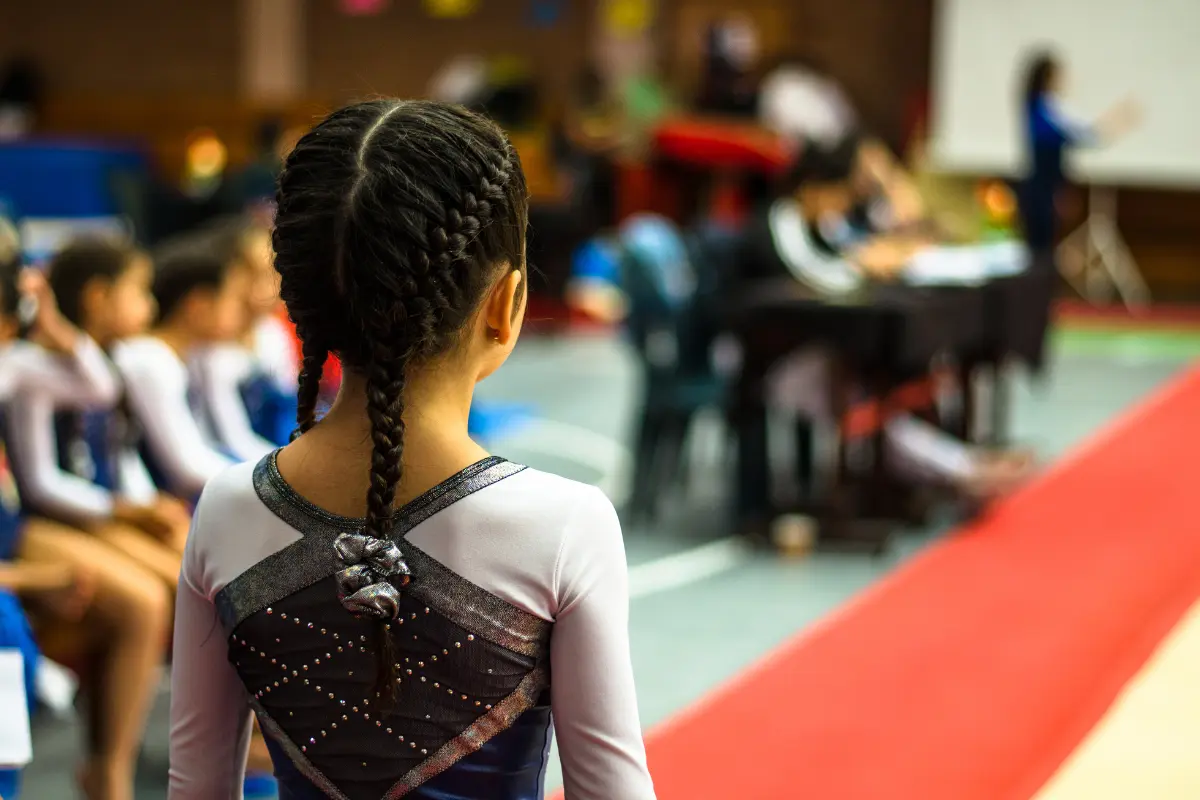
At a gymnastics meet, athletes perform the routines or skills required by their program, judges evaluate the performances, and results are organized by the meet’s divisions and scoring rules. For a family attending for the first time, the day becomes easier when you know the session schedule, where the gymnast goes and what happens after the final routine.
Contents
You do not need to learn every deduction before arriving. Begin with the coach’s instructions and the current event packet. Together, they explain the practical details that a general estimate of “how long a meet lasts” cannot provide.
Before meet day: confirm the session, not just the weekend
A large invitational can run across several days while your gymnast is assigned to one session. Check the date, session number, program, level or division, venue and coach’s requested arrival time. A weekend listing is not the athlete’s personal timetable.
Keep arrival, warm-up, competition and awards separate in your notes. “Competition begins at 10” does not mean the athlete should arrive at 10. The coach may need the team ready earlier for check-in and preparation.
Practical policies are event-specific too. The 2025 Men’s Western National Championships packet, for example, published distinct information about athlete check-in, admission and spectator arrangements. That historical packet illustrates the kind of document to look for; its prices, venue rules and schedule should not be reused for a different meet.
Before making travel plans, confirm whether the schedule is final or tentative. Families with more than one athlete should check each assignment separately, even when the gymnasts train at the same club.
What to pack and what to leave to the coach
Use the club’s list for competition clothing, warm-ups, hair requirements and any personal gymnastics equipment. Put required items together the day before so the morning is not spent searching for a missing wristband or team jacket.
A practical family checklist includes the session information, admission details, a charged phone and the coach’s contact procedure. Confirm the venue’s rules for bags, outside food, drinks and photography rather than assuming they match the home gym.
Ask the coach which items the athlete keeps with them and which stay with the family. A young gymnast may need help organizing belongings, but the competition floor is not a place for parents to make unplanned deliveries or equipment adjustments.
Avoid introducing unfamiliar products or new equipment on meet day without the coach’s guidance. The aim is to arrive with the things the gymnast already knows how to use, not to recreate the contents of an elite athlete’s bag.
Arrival, check-in and warm-up
On arrival, follow the club’s meeting instructions and the organizer’s check-in procedure. The athlete and spectators may enter through different routes or have different admission arrangements. Once the coach takes responsibility for the group, find the permitted spectator area.
Warm-up has several possible parts. General preparation may happen before apparatus work, and the event format determines when athletes warm up each event. Some meets complete apparatus warm-ups before competition; others alternate warm-up and competition within each rotation.
The current USAG women’s Rules and Policies describes several meet formats with different equipment and warm-up arrangements. That is why seeing a gymnast on beam or bars does not automatically mean the scored routine has begun.
A short touch warm-up is not the same thing as the entire preparation period. Its timing depends on the rules and format. If the session looks different from another meet you attended, ask about the format before assuming an athlete has been denied preparation.
Following the gymnast through the apparatus
Women’s artistic gymnastics has four events: vault, uneven bars, balance beam and floor. Men’s artistic gymnastics has six: floor, pommel horse, rings, vault, parallel bars and horizontal bar. Groups begin at assigned apparatus, so everyone does not start at the first event in that list.
Find the gymnast’s group on the rotation sheet and mark its starting event. Several apparatus may be active at once. A loud cheer elsewhere in the venue can be unrelated to the group you are following.
A group’s route and an individual’s performance order are separate. A gymnast might be early in the lineup on one event and later on another. Follow announcements and the coach’s group rather than trying to predict a precise routine time from the session start.
The rotation guide explains squads, flights and byes with a sample schedule. For your first meet, the most useful question is usually whether your gymnast is preparing, competing or waiting for the group’s next assignment.
Making sense of scores and awards
First identify the scoring system. FIG elite gymnastics, USAG developmental programs and NCAA competition do not all use the same rules. A score should be interpreted within its program and level, not compared with a number remembered from an Olympic broadcast.
An apparatus result concerns one event. An all-around result combines the gymnast’s required events. A team result uses the meet’s specified counting method. One performance can therefore contribute to more than one set of standings without the athlete repeating the routine.
Age groups and award divisions can also affect which standings matter. The athlete competing next to your child may not be in the same award group. Read the result heading before deciding what a displayed place means.
Live results may update after a routine has finished, and running totals may contain different numbers of completed events. Wait for official results rather than treating an early screen position as a final placing. If something needs clarification, use the coach’s normal process. Our local-meet scoring guide explains the common result fields.
How to support the gymnast from the stands
Be a familiar, encouraging presence. Cheer appropriately, keep aisles clear and follow the venue’s photography rules. Leave technical instructions to the coach rather than calling corrections while the gymnast is preparing or performing.
The parent resource Setting Your Athlete Up for Success, hosted by USA Gymnastics, emphasizes effort, progress and calm support. It advises parents to avoid sideline coaching and to make room for the athlete’s own reflections after the meet.
A useful post-meet conversation might begin with what the gymnast enjoyed or felt proud of. Let their answer guide the discussion. A first meet can involve learning how to wait, follow instructions and recover after a mistake as well as performing the routines themselves.
After the final routine
The session may continue through score verification and awards after the gymnast has finished competing. Follow the club’s instructions about staying with the group and the agreed release point. Do not assume that a final score on your phone means the athlete is ready to leave.
Before heading home, check belongings and any practical information from the coach. Save detailed technical questions for the agreed communication time. The first meet is one experience within a much longer learning process, and a calm finish helps the gymnast remember more than the numbers on the scoreboard.