
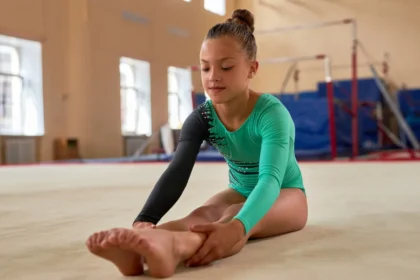
Hair That Holds: Top Styles for Gymnastics Practices and Competitions
In gymnastics, every detail matters—from the tightness of your handstand to the…
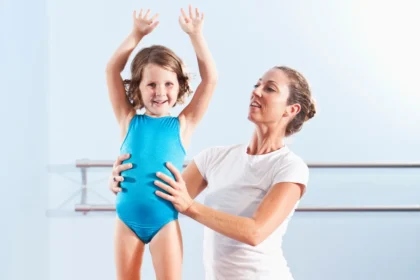
A Guide to the Gymnastics Development Program (Levels 1 – 10)
The Women’s Development Program (formerly the Junior Olympic Program) is USA Gymnastics’ 10‑step staircase…

What is the Optional Program in Artistic Gymnastics?
The USA Gymnastics Women’s Development Program is divided into three major segments:…
How Gymnastics Levels Work: USAG, FIG, and NCAA
Levels exist to make the learning curve humane. They break the sport…
What Is Gymnastics? A Beginner’s Guide to the Sport
Gymnastics is a dynamic and captivating sport that combines strength, flexibility, balance,…
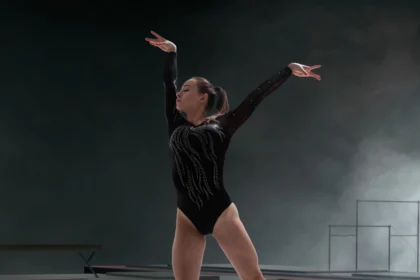
How Many Rotations in Women’s Gymnastics at the Olympics?
In women’s artistic gymnastics (WAG), Olympic competition is centered around a four-rotation…

How Gymnasts Keep Their Leotards in Place: Smart Tricks That Work
One of the most common challenges gymnasts face is keeping their leotards…

Why Gymnasts Don’t Get Wedgies (And How They Make It Look Easy)
Gymnasts make their routines look effortless, gliding through flips, jumps, and twists…

The Tallest Female Gymnasts in Olympic History (Including Paris 2024)
In elite gymnastics, shorter stature has traditionally been seen as an advantage,…

Why Female Athletes Excel at Balance: The Hidden Power of Center of Gravity
The center of gravity (COG) is the point where your body’s mass is evenly…

The Hardest Apparatus in Gymnastics: Which One Challenges Athletes the Most?
Gymnastics is often called the ultimate test of the human body. It…
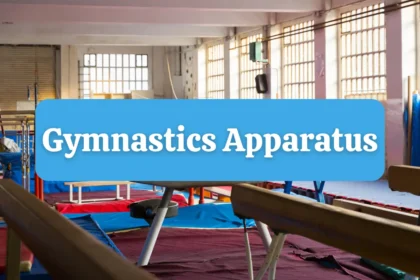
Gymnastics Apparatus Explained: A Beginner’s Guide to the Equipment
From spring floors to high bars and spinning ribbons, gymnastics apparatus are…